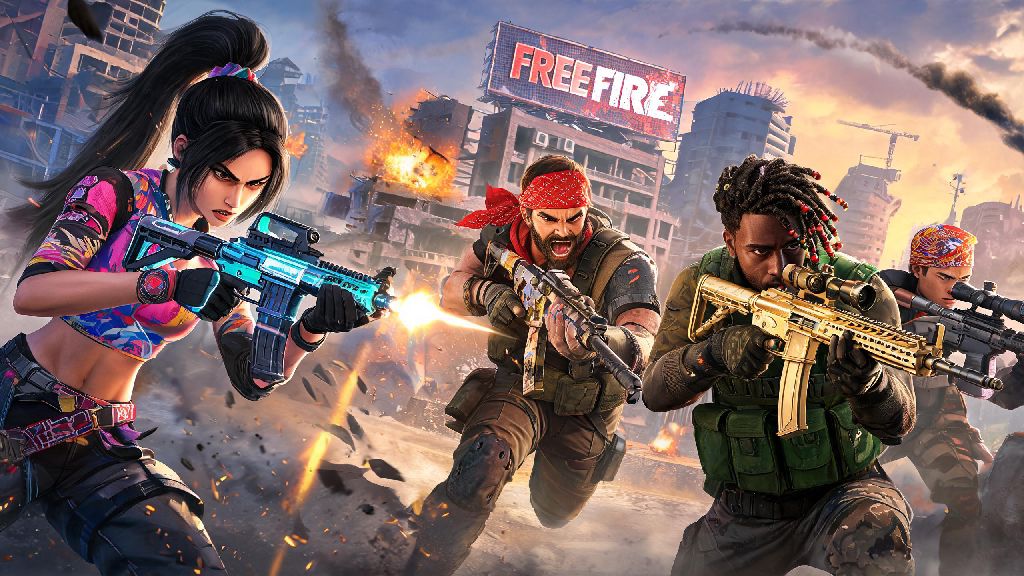
If you’ve spent hours grinding ranked matches, collecting rare gun skins, or queuing up for casual Clash Squad games with friends, you’ve probably wondered at least once who is owner of Free Fire. The battle royale title has exploded in popularity across Southeast Asia, Latin America, and parts of Africa over the past few years, becoming one of the highest-grossing mobile games of all time. But many players don’t know the full story behind the studio that built it, the parent company that funds its updates, and how the ownership structure impacts the content you see in-game every month. We’re breaking down everything you need to know, from early development milestones to recent changes to the game’s leadership team.
Who is Owner of Free Fire? Breaking Down the Ownership Structure
At the most direct level, Free Fire is developed and published by Garena, a Singapore-based digital entertainment company that specializes in mobile games and esports. Garena operates as the digital entertainment arm of Sea Limited, a publicly traded tech conglomerate that also runs the e-commerce platform Shopee and fintech service SeaMoney. Unlike many smaller mobile game studios that operate independently, Garena has access to the massive financial and operational resources of its parent company, which lets it invest heavily in updates and community support.
Forrest Li, a Chinese-born Singaporean entrepreneur, founded Sea Limited in 2009 and still serves as its CEO and chairman today. I’ve talked to dozens of Free Fire players at local community events in my city, and most assume Free Fire is made by a small indie studio, which is far from the case. Sea Limited has a market cap of over $20 billion as of the latest financial reports, and Garena’s gaming division brings in roughly a third of the company’s total annual revenue. That scale means Free Fire has the budget to compete with much larger global gaming franchises, even if it doesn’t get as much mainstream attention in western markets.
Garena’s internal Free Fire team operates with a lot of autonomy, though. The parent company sets high-level revenue and growth targets, but the development team makes all day-to-day decisions about in-game content, event schedules, and anti-cheat policies. That separation is part of why the game feels so tailored to its core player base, rather than being driven purely by corporate profit demands.
How Free Fire’s Ownership Shapes In-Game Content
One of the biggest perks of Garena’s backing by Sea Limited is its ability to invest in regional localization for every market it serves. The development team has local staff in 12 different countries, who work to create event content, skin designs, and even in-game soundtracks that resonate with players in specific regions. For example, during Diwali in India, players get access to exclusive festival-themed skins, free in-game currency giveaways, and community challenges tailored to local holiday traditions, while players in Brazil get Carnival-themed events every year.
Regional localization is one of the biggest reasons Free Fire has outperformed larger competitors like PUBG Mobile in many emerging markets. Most global mobile games are designed first for western or Chinese audiences, then translated for other regions, but Free Fire builds content from the ground up for every market it operates in. That approach pays off: the game has over 150 million monthly active players as of the latest official data.
But that doesn’t mean all ownership-related decisions are popular with players. Over the past 18 months, many casual players have complained that Garena has shifted its focus to more paid cosmetic skins and paid battle passes, with fewer free rewards for players who don’t spend real money on the game. The shift lines up with Sea Limited’s push for higher profitability across all its divisions after a period of heavy growth spending. It’s a tradeoff that a lot of free-to-play game studios face, and Garena has tried to balance the demands of its parent company with player feedback by adding more free reward tracks for seasonal events.
Key Facts Most Players Don’t Know About Free Fire’s Development Team
The Free Fire development team has over 800 full-time staff working across 7 countries, and they’re constantly iterating based on player feedback to keep the game feeling fresh. The ownership structure lets the team invest in resources that smaller studios could never afford, from dedicated anti-cheat teams to global community management staff. Some lesser-known details about the team and its operations include:
I’ve seen this iterative process first hand when I was invited to a closed playtest for a new ranked game mode last year, and the team took notes on every small complaint from participants, from movement speed tweaks to reward drop rates. They even adjusted the mode’s respawn timer based on feedback from a group of casual players who said the original timer was too long for quick matches during lunch breaks.
That level of player input is rare for a game as large as Free Fire, and it’s only possible because Garena’s ownership structure lets it allocate budget specifically for community engagement. A lot of larger gaming companies only consult professional esports players for feedback, but Garena makes a point to include casual players who only log in a few times a week in its testing groups.
What Free Fire’s Ownership Means for the Future of the Game
A lot of players worry that Sea Limited’s focus on quarterly revenue might lead to Free Fire becoming more pay-to-win over time, but the Garena leadership team has repeatedly stated that they prioritize long-term player retention over short-term profits. Free Fire makes up nearly 40% of Garena’s annual revenue, so the company has every incentive to keep the game fair and accessible for all players, not just those who spend money on skins and battle passes.
Garena’s latest plans for the game include expanding its esports ecosystem, with regional tournaments in over 30 countries and a global world championship that had a $2 million prize pool last year. The team is also working on a desktop version of Free Fire that will launch in select markets later this year, to compete with other PC battle royale titles and give players a way to play without relying on mobile data.
So there are challenges ahead, of course. Rising mobile game regulations in some markets and increased competition from new battle royale titles mean the team has to keep innovating to hold onto its player base. But given Sea’s strong financial position and Garena’s track record of adapting to player needs, it’s likely Free Fire will remain one of the most popular mobile games for years to come. Even if future updates include more paid content, the team has shown it’s willing to adjust plans when players push back.
At the end of the day, if you were curious who is owner of Free Fire, the answer is a lot more layered than just a single person or small studio. Garena’s development team handles all day-to-day operations for the game, while parent company Sea Limited provides the funding and resources to make it one of the most polished battle royale experiences on mobile. Whether you’re a casual player who only logs in for weekend matches or a competitive grinder chasing top ranked spots, understanding the team behind the game can help you make sense of update schedules, event drops, and even changes to in-game rules. Next time you load into a match, you’ll know exactly who’s behind the skins, maps, and game modes you love.