If you’ve spent hours grinding ranked matches, collecting limited-edition skins, or queuing up with friends for casual Clash Squad rounds, you’ve probably wondered at least once who is the owner of Garena Free Fire. I’ve seen dozens of players spread false rumors about the game’s ownership on regional Facebook groups and Discord servers over the past three years, with claims ranging from Chinese tech giants running the show to small indie teams handling all updates. This fact-checked guide clears up all that confusion, with verified details about the ownership structure, how it shapes the game you play every day, and what it means for future Free Fire updates.
Who Is the Owner of Garena Free Fire, Exactly?
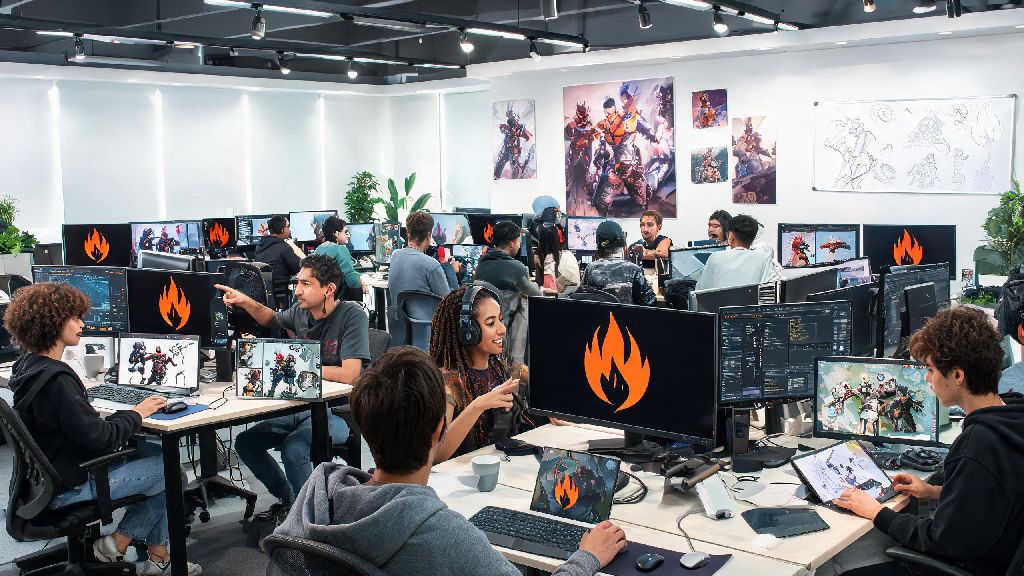
Let’s cut straight to the facts: Garena, the digital entertainment arm of Singapore-based Sea Limited, is the official owner of the Garena Free Fire intellectual property (IP). The game was first developed by Vietnam-based indie studio 111dots Studio, which Garena fully acquired in 2019 after the game’s explosive initial launch in Southeast Asia. 111dots Studio remains the core development team for all Free Fire content, working directly under Garena’s game leadership to build new updates, fix bugs, and test new features.
Sea Limited is a publicly traded company listed on the New York Stock Exchange, founded by entrepreneur Forrest Li in 2009. A lot of players confuse partial investor stakes with full ownership, so let’s clear up the most common misconceptions right now:
That means all final calls about Free Fire content, rules, and updates come down to the joint leadership team at Garena and 111dots Studio, no outside companies have veto power over those decisions.
How Free Fire Ownership Shapes The Game You Play
Many players don’t realize how much ownership structure impacts the small details of the game they log into every day. Unlike other large mobile battle royale publishers that focus on high-income markets first, Garena’s core audience has always been in emerging markets across Southeast Asia, Latin America, and Africa. The ownership team prioritizes optimization for low-end Android devices over high-end graphical upgrades, which is why Free Fire runs smoothly on phones with less than 2GB of RAM, while many competing battle royales crash or lag on the same hardware.
That focus on accessibility is a direct choice from the ownership team, who have stated repeatedly that they want Free Fire to be playable for anyone with a smartphone, regardless of how much they can spend on a device. But that choice does come with tradeoffs. Players with flagship Android or iOS devices won’t get the same hyper-realistic textures or advanced lighting effects you’d find in other mobile battle royales, and that’s unlikely to change any time soon. The ownership team has run internal tests that show adding high-end graphics would cut the game’s accessible user base by nearly 40%, which goes against their core mission.
You can also see the ownership team’s regional focus in the event content they roll out. Every year, they launch region-specific events tied to local cultural holidays, from Diwali rewards for Indian players to Carnival-themed skins for Brazilian users. That level of regional customization is rare for a global mobile game, and it’s only possible because the ownership team has dedicated regional leads in every major Free Fire market who report directly to the core leadership group.
Key Responsibilities of the Free Fire Ownership Team
The Free Fire ownership team doesn’t just hold the IP rights, they’re involved in every part of the game’s operation, from small bug fixes to multi-million dollar esports tournaments. First, they sign off on all seasonal content updates, including new character abilities, weapon balancing changes, and battle pass rewards. Every proposed change goes through multiple rounds of testing with both internal teams and community beta testers before the ownership group gives final approval for a global rollout.
Garena’s in-house anti-cheat team reports directly to the Free Fire ownership group, which is why the game has such strict anti-cheat policies. The team rolls out weekly ban waves that remove millions of cheaters from servers, and they’ve recently implemented hardware bans for repeat offenders to keep ranked matches fair for regular players. They also oversee all in-game purchase pricing, adjusting costs for skins and in-game currency to match local purchasing power in each market. That’s why you’ll see the same skin cost 30% less in Indonesia than it does in European markets, for example.
The ownership team also runs the entire Free Fire esports ecosystem, from regional amateur leagues to the annual Free Fire World Series. They set prize pools, create tournament rules, and partner with local event organizers to make sure competitive play is accessible to players of all skill levels, not just full-time pro players. They even fund grassroots community tournaments in smaller markets to help new talent break into the pro scene.
Common Free Fire Ownership Questions Answered
I get dozens of questions about Free Fire’s ownership every month from players in my local community groups, so I wanted to answer the most frequent ones here to save you time searching for reliable info. First, a lot of players ask if the ownership of Free Fire will change any time soon. There’s no indication of that happening right now: Free Fire makes up nearly 60% of Sea Limited’s digital entertainment revenue, so it’s one of the company’s most valuable assets. They’ve invested hundreds of millions of dollars into building the game’s global community, so selling the IP doesn’t make business sense for them right now.
Another common question is whether the ownership team actually plays the game themselves. The answer is yes, almost all of the core 111dots development team are active Free Fire players. Multiple senior members of the 111dots development team have reached Heroic or Grandmaster rank on official servers, and they regularly play in public lobbies to test new updates and get first-hand experience of what regular players deal with, from cheaters to unbalanced weapon stats.
Many players also ask how they can submit feedback directly to the ownership team. You don’t have to jump through dozens of hoops to get your voice heard. The team monitors the official Free Fire subreddit, regional Discord servers, and in-game feedback submissions every week. They release a monthly community feedback report that highlights the most requested changes, and they’ve implemented hundreds of player suggestions over the years, from new custom room settings to adjusted character ability cooldowns.
Now that you know who is the owner of Garena Free Fire, you can have a better understanding of why the game makes the design choices it does, and how to get your feedback heard by the team that actually calls the shots. If you’ve ever been frustrated by a new update or excited by a region-specific event, you now know exactly who to thank (or critique) for those calls. Stay tuned for more breakdowns of Free Fire’s behind-the-scenes operations, plus early previews of upcoming seasonal content.